

Hi everyone, I hope you all find yourselves well. It’s been, to say it lightly, a very crazy world out there this week. But when is it not?
Between ex-Anthropic researcher Jacob Coxon telling us that we’re all essentially going to be gone in 5 years, my job announcing they're moving AI into our internal software to “assist” us, and my cat nearly jumping out of my office window (I caught her mid-air) and damaging her leg, It’s been one hell of a week.
“I’m tired, Grandpa…” “Well, that’s too damn bad,” goes the saying….
Thank goodness there’s Substack, though. I genuinely look forward to writing and building a community here with other readers. Below, I've compiled a list of books I've recently bought and plan to read this month. You might know some of these, or you might not. I’ve also compiled a short list of short media I consumed this week, both digital and physical. The basis of these short dispatches is to encourage and help you swap ultra-fast, AI-invasive predictive algorithms for slow, humanistic forms of media.

The Book Section (What to read this month)
To challenge uncomfortable truths:
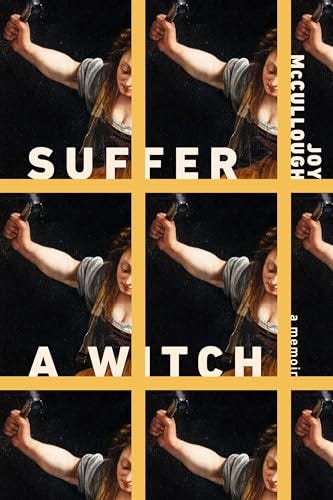
Suffer a Witch: A Memoir by Joy McCullough —
I’m going to be reading this one tonight. I hear it’s a tough read. McCullough interlaces historical records and trial testimony from her own ancestor, who was convicted in the Salem witch trials, alongside modern incidents of sexual assault and institutional silence. I typically don’t like reading such distressing books, but it brings to the forefront how women are still as much dismissed as they were 300 years ago.
To improve your empathy and understanding:
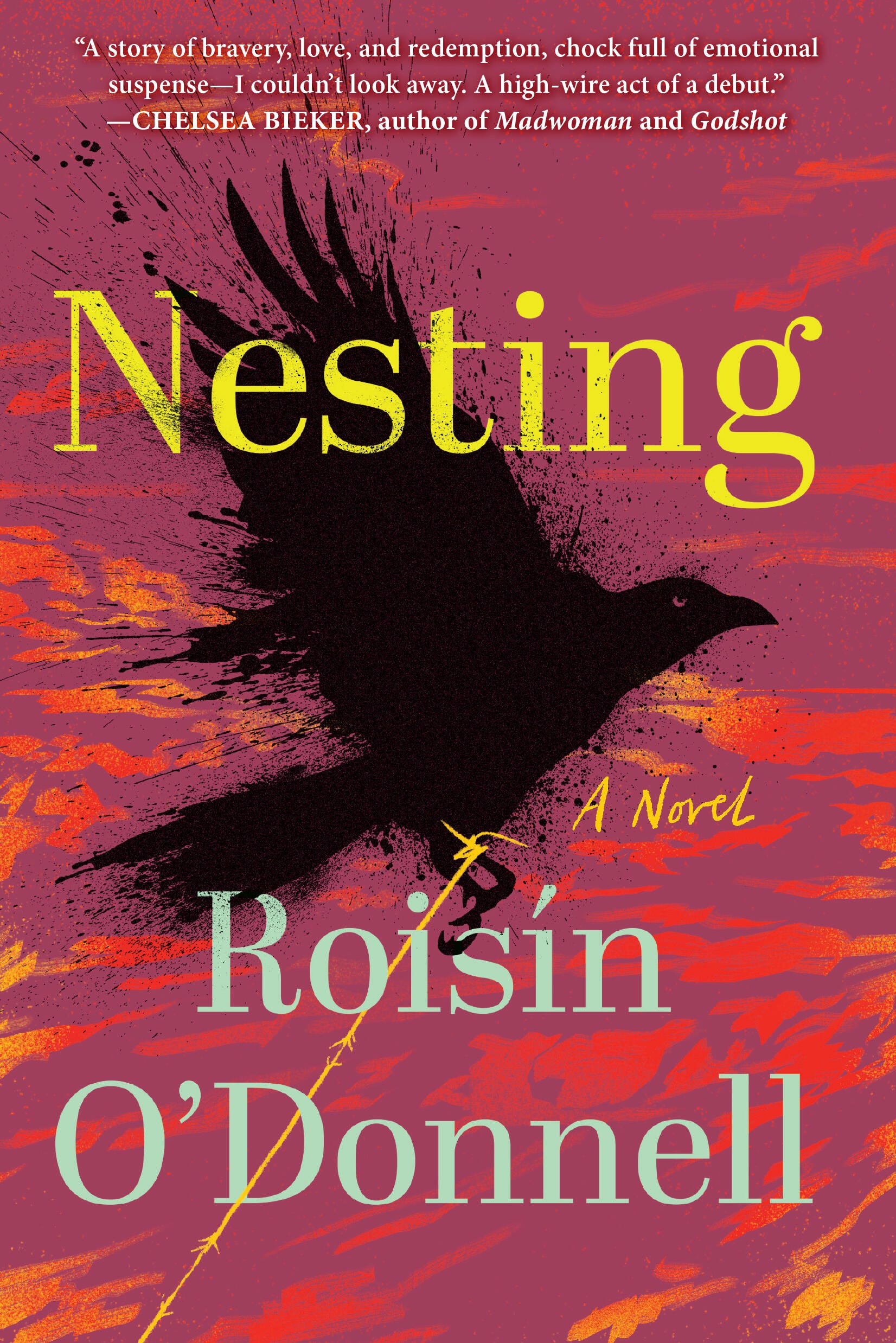
Spousal abuse, control, fear, and having your life ripped from you are all laid out in this book. Though some of us can’t relate to the harrowing story of a woman stuck in an abusive, manipulative relationship, this is why reading it strengthens our ability to empathize and understand as she walks us through her story.
To increase your mental tolerance against loneliness and fear

I read this book last week; it was brilliantly written. Very descriptive text. The author is extremely good at planting you physically there, in a sense. This book reminded me of my brother, who found his stride later in life. He often deals with relentless anxiety day by day over what his future holds.
To thrust you in risk & resolution
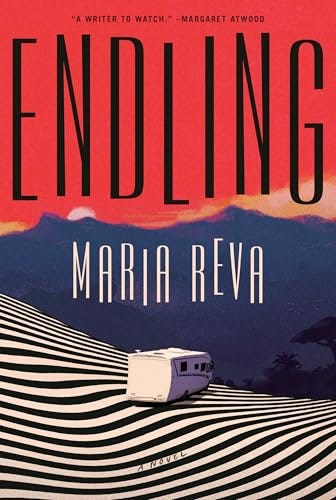
This book is next on my reading list. This story follows a Ukrainian woman who’s a scientist studying extinct species, but she funds her research through the high-stakes mail-order bride trade. She gets caught up in a lot of craziness, but she shows how sometimes life requires you to step directly into risk.
To learn how to handle holding grief:

This story follows three parallel timelines that fall into a single naming decision. It reveals the ways in which domestic violence fractures families across a lifetime. And Cora is at the center of this tragedy. Be ready to feel her rippling grief.
Slow media to digest this week instead of doomscrolling
We don’t always read. Let’s be honest about that. But when the book is tucked away, and we want other forms of media, it’s pivotal that we choose media that still challenges and nourishes our brains in the same way books do.
And I know we’re all very overwhelmed during the week, too. I mean, with our phones, the economy, our jobs, or lack thereof for people who have been laid off right now and are looking, then you have bills, rent; it’s debilitating mentally. I, like yourself, am under chronic mental fatigue and stress.
So I try to be more intentional about how I use the internet and my phone. I’m more self-aware and mindful about the media I consume and how I spend my time. It’s important to touch base with slow, intentional media:
The Long-Form Film: The Prestige (2006, Christopher Nolan) — Okay, a movie? Yes, a movie. The other night my husband opened this one up, and I had never seen it, to no surprise. I’m not much of a movie person; I almost feel like I’m wasting my time by watching one. But this was both entertaining and challenging to my inability to look at my phone. We know so many of us complain that we can’t focus on a full-length movie anymore because of rapid-firing algorithms and short-form video consumption. The characters speak in elaborate sentences and Victorian decorum, which is great ear training for classical and Victorian dialect.
This conversation between Neil deGrasse Tyson and computer scientist Jaron Lanier (Neil deGrasse Tyson and Jaron Lanier on the AI Illusion): This was extremely uplifting because it sort of gave me a beacon of hope. I mean, the battle between machines and humans has only just started, and we’re constantly bombarded with ominous predictions about how it’ll take all of our jobs and wipe us out. But hearing these experts say it’s nothing but a myth and that there is no AI; there is only human collaboration was a breath of fresh air. Give it a listen. Train yourself to just listen for the full 9-minute video without looking at your phone once.
Push To Read Silent Book Club (Weekly Chat)
I’m running a low-pressure reading space for all of my subscribers. Here are the conditions:
Read whatever you want.
Every Friday, you drop the page number that you’ve read up to. You can also share a favorite quote or snippet from the book you’re currently reading.
There’s zero pressure. You can read 3 or even 50 pages. Whatever works for you.
The point is to keep us all motivated and consistently reading. See you there. [Join Here]